
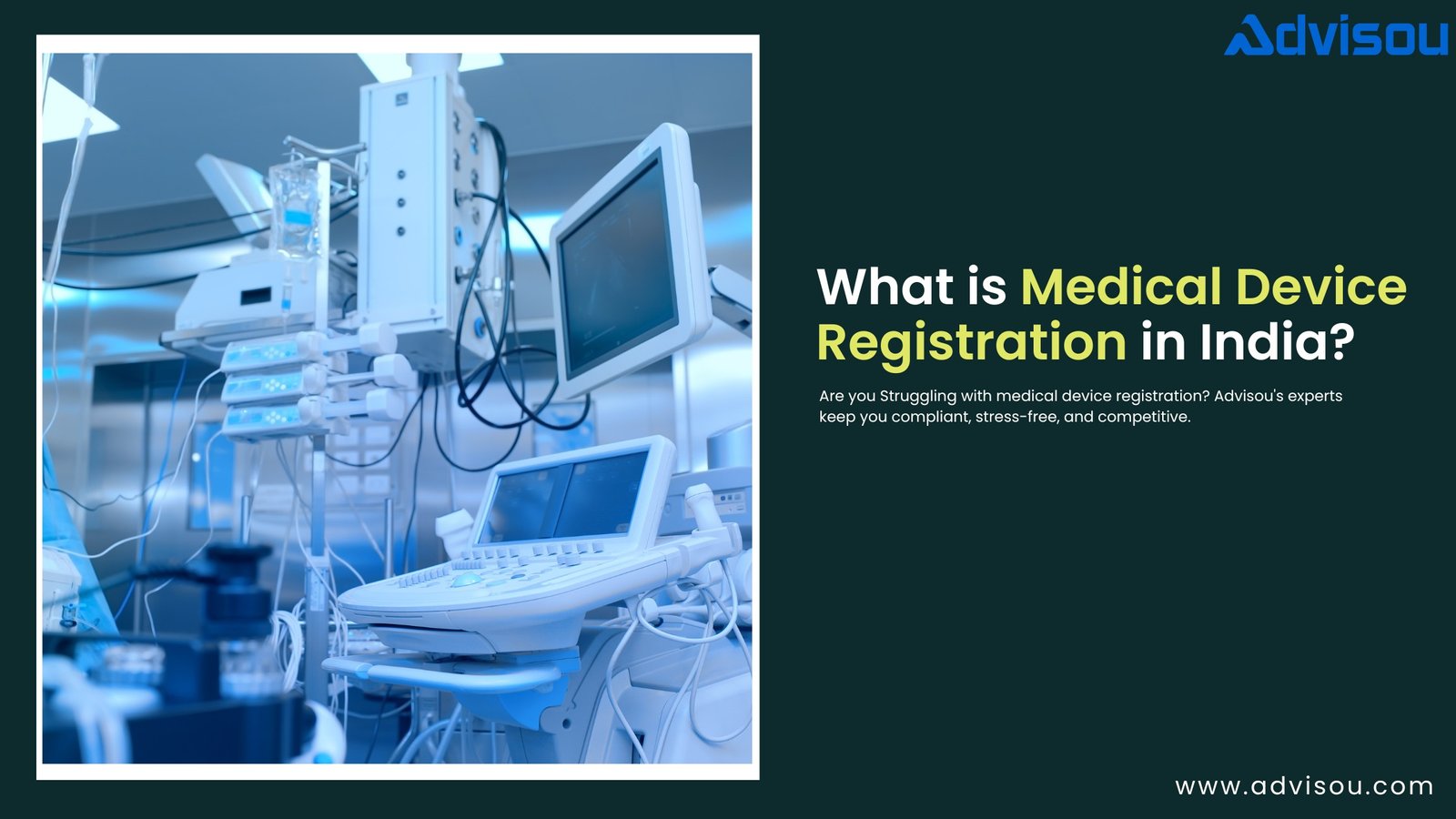
Starting from life-saving surgical equipment to diagnostic equipment, medical devices are the backbone of the healthcare industry. The process of medical device sales in India requires mandatory device registration, which ensures your devices comply with safety, quality, and performance standards.
The Central Drugs Standard Control Organisation, under the Ministry of Health and Family Welfare, regulates medical device registration to provide legal market access. This process ensures patient safety, compliance with national healthcare regulations, and sustained public trust in medical devices across healthcare institutions.
Table of Contents
ToggleWhy Medical Device Registration is Mandatory in India?
Registration of medical devices ensures that the devices meet high regulatory and safety standards. In India, medical device registration is administered by the country’s regulatory authority, headed by the Drug Controller General of India.
Key Benefits of Registration
- Ensures patient safety: Registered devices are safe and perform as intended without harming users.
- Provides legal market access: Properly registered devices can be legally manufactured, imported, or sold.
- Maintains quality and compliance: Adherence to quality and regulatory compliance.
The distribution of devices requires registration because unauthorised devices will face legal penalties following regulatory standards.
Medical Device Classification in India (Class A to D)
Medical devices in India are classified by their risk level. This risk-based classification ensures appropriate regulatory control and review depending on potential patient impact.
| Class | Risk Level | Examples |
| A | Low | Bandages, thermometers |
| B | Low–Moderate | Syringes, BP monitors |
| C | Moderate–High | Ventilators, X-ray machines |
| D | High | Pacemakers, heart valves |
Class A devices pose minimal risk, while Class D devices include high-risk implantables requiring strict regulatory evaluation. The classification process determines which documents must be submitted, which documents require reviews and which authorities will conduct the licensing process.
Who Needs to Register a Medical Device in India?
Both domestic and foreign, that sell medical devices in India must obtain a medical device registration licence to maintain product accountability.
- Indian Manufacturers: Indian manufacturers need to obtain a license from the relevant State or Central authority based on their device risk classification.
- Foreign Manufacturers: Foreign manufacturers need to hire an Indian authorised agent, like Advisou who will handle all regulatory duties and communication tasks and fulfil licensing requirements.
The framework guarantees that all domestic and imported devices must meet the established national regulatory standards.
Documents Required for Medical Device Registration
Registration requires a comprehensive regulatory dossier to demonstrate safety, quality, and performance. The documentation must meet regulatory compliance standards and technical evaluation requirements.
Key documents include:
- Device Master File (DMF) with technical details
- Plant Master File (PMF) describing the manufacturing facility
- ISO 13485 quality management certification
- Free Sale Certificate from the country of origin
- Device description, specifications, and intended use
- Clinical evaluation or performance data
- Risk analysis and safety documentation
- Labelling, packaging, and instructions for use
- Declaration of conformity with regulatory standards
- Authorised agent authorisation letter (for foreign manufacturers)
Step-by-Step Registration Process
Medical device registration process in India is established as a regulatory system that protects public health by evaluating device safety and market readiness.
Determine Device Classification
Determine if the device is a notified device and its risk class (A, B, C, or D). The classification determines the regulatory requirements and approval authority.
Appoint Authorised Agent (Foreign Manufacturers)
Foreign manufacturers must appoint an authorised agent designated by them to serve as their official representative who will handle all regulatory interactions and submission processes.
Prepare Regulatory Dossier
The complete dossier requires technical documents, safety information, quality certificates, and performance data to be assembled. The device is demonstrated to fulfil all requirements of regulatory compliance through this process.
Submit Application Online
Submit the application through the official regulatory portal along with required documents and applicable government fees. Authorities conduct technical evaluation and regulatory review.
Approval and License Issuance
After a successful review, authorities issue a manufacturing or import license. This license grants legal authorisation for market distribution and commercial use. This structured process ensures that only safe, effective, and compliant devices enter the healthcare system.
Medical Device Registration Timeline and Fees
Timelines vary depending on the device classification, documentation quality, and regulatory review requirements.
Typical timelines include:
- Class A devices: 1–3 months
- Class B devices: 3–6 months
- Class C devices: 6–12 months
- Class D devices: 9–18 months
A: Fees: Government fees generally range from ₹5,000 to ₹50,000 depending on device class and complexity.
B: Validity: Device licenses remain valid for five years and must be renewed to maintain legal authorisation.
Timely submission and accurate documentation help avoid delays.
Common Registration Mistakes to Avoid
The approval procedure experiences delays because of missing technical documents and quality documents.
By avoiding these mistakes:
- Incomplete documentation: Missing technical or quality information can delay review.
- Incorrect device classification: Misclassification can lead to an incorrect regulatory pathway.
- Insufficient clinical or performance data: The application appears less believable without evidence.
- Non-compliant quality certifications: The approval process and regulatory approval are severely affected by the failure of organisations to adhere to ISO guidelines[1] and existing regulations.
Post-Registration Compliance Requirements
Registration approval is not the final process. Manufacturers and importers must sustain their compliance efforts to maintain their authorisation status while protecting ongoing safety standards.
Key compliance obligations include:
- Holding companies must maintain their license status through renewal before their current license expires.
- Companies need to report all safety issues related to their products, including any adverse events.
- Companies need to monitor their products through market surveillance and maintain their quality control system.
Continuous compliance allows organisations to maintain their regulatory approval status while ensuring patient safety throughout their operations.
Conclusion
Medical device registration process in India establishes essential procedures to ensure safe medical device operations and their registration. The indian healthcare industry requires proper classification and documentation and compliance to enable its business success.
Struggling with business registration or licences? Advisou’s experts keep you compliant, stress-free, and competitive. Contact us today and ensure your business stays ahead in India.
Also Read: CDSCO License: Complete Guide to Registration, Process, and Fees in India