
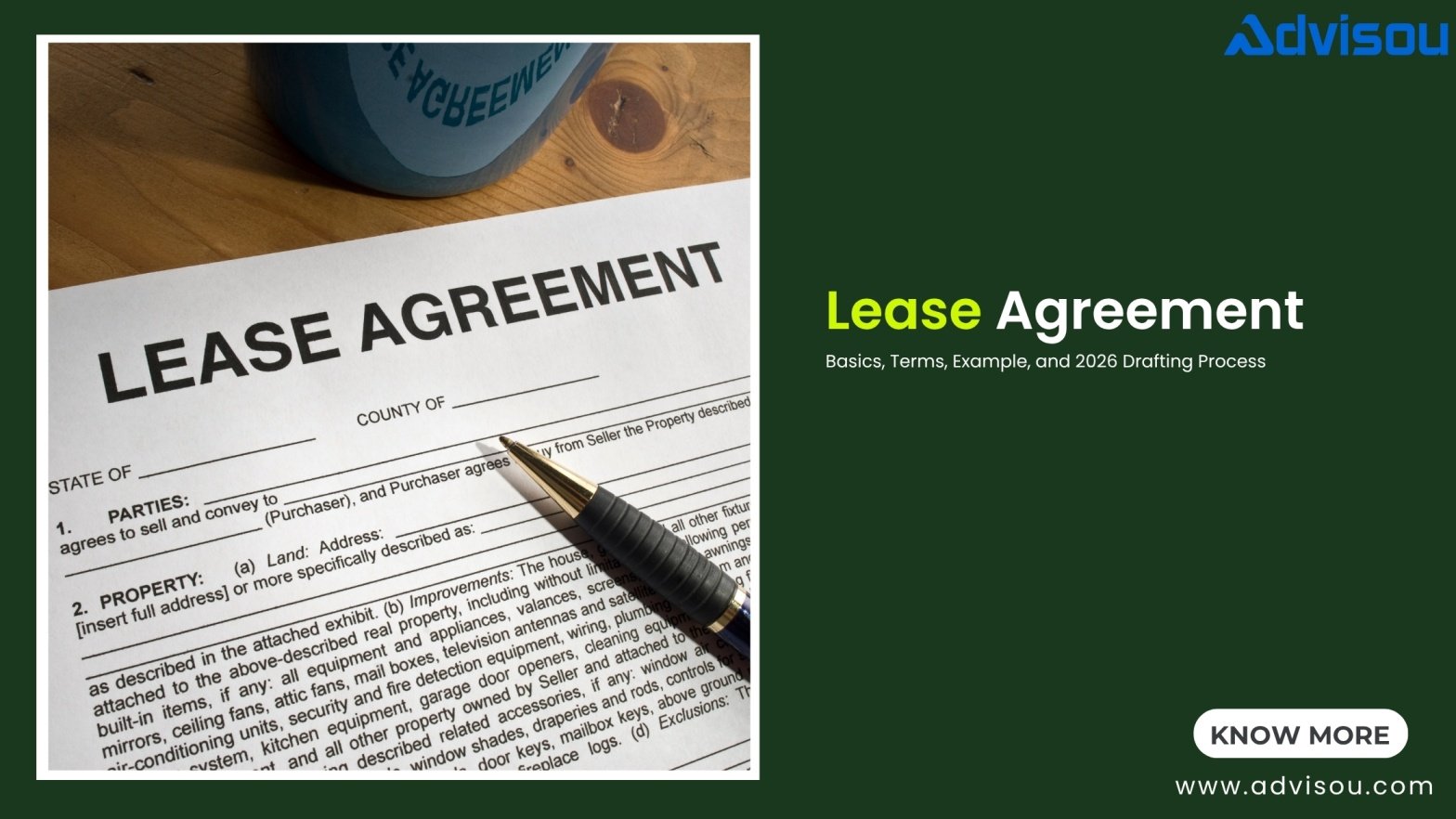
If you have ever had a property on rent, you may have used a lease agreement. It is a legal document governing everything from how much a tenant will pay and the duration of use to maintenance obligations. Simply put, it is a legit route that defines how properties are rented in India.
One of the most notable benefits of using a lease agreement is the legal cushion it provides to both the landlord and the tenant. It keeps unexpected property claims at bay while ensuring consistent income for the owner. But the lease agreement is more than what it appears to be in general. That said, here is everything you need to know about this legal contract and its nuances.
Table of Contents
ToggleWhat is a Lease Agreement?
A lease agreement is a go-to legal contract in the real estate sector. It comes into play when someone wants to rent or put a property on lease for a predetermined duration. The lease agreement can last from a few months to several years. Common examples include the tech giant Nvidia, which recently acquired a property on a 10-year lease in Bagmane Capital’s Memphis South Tower in Bangalore for Rs 1200 crore, marking the largest deal ever in terms of office space.
Types of a Lease Agreement: 11-Month vs. Long-Term Lease
| Attribute | 11-Month Rental Agreement | Long-Term Lease (1 Year+) |
| Common Use Case | Residential apartments, co-living, temporary housing. | Commercial offices, retail shops, long-stay residential. |
| Registration | Optional under the Registration Act. | Mandatory under Section 17 of the Registration Act. |
| Legal Admissibility | Admissible in court if printed on proper e-stamp paper. | Completely inadmissible as primary evidence if not registered. |
| Approximate Cost | Low (Cost of e-stamp duty + minimal drafting fees). | Higher (Stamp duty percentage + 1% registration fee + structural charges). |
What does a Lease Agreement look like, and what does it contain?
Every lease agreement is almost always printed on stamped paper, outlining terms and conditions mutually agreed upon by the parties and their signatures. A lease contract on stamped paper has more legal gravity, as it is admissible in court. Using stamped paper is not mandatory unless the lease tenure exceeds 11 months.
As far as the content is concerned, a lease agreement specifies rules that define
- Date on which a property will be available for the tenant’s use
- How much rent a tenant will pay and on what date
- Who will bear the maintenance charges–a landlord, a tenant, or both
- When a property should be vacated
- Tenure for which the property can be used
- Who will take care of the utility bills
- Who can make a structural change
Example of a Lease Agreement: Navigating Clauses
To understand how exactly a lease agreement works in the real world, have a glance at the clauses and conditions listed in the agreement
- Lessor will bear the taxes, such as Corporation / Municipal / Panchayat Tax, Urban Land Tax, etc. The lessee, at his/her liberty, can pay such taxes if the lessor defaults. Whatever taxes paid by the tenant can be adjusted with interest towards the rental payable to the landlord.
- The service tax will be borne by the lessor
- Lessor will carry out general maintenance, such as painting and whitewash once every 3 or 5 years. If the landlord defaults on proper upkeep, the lessor funds the maintenance endevours and adjusts the expense with interest towards the rental payable to the landlord.
- Lessee can sub-lease or under-lease the rented premises to any of its subsidiaries
- Lesse shall have access to all the amenities available within the premises
- Lessor shall not prevent Lessee from installing additional power backup unless it requires significant structural changes or repair
- The lessee shall have the right to use the parking space
- The Lessee can use the frontage of the premises for holding a banner
- Lessee shall have the right to take legal action (with the permission of the lessor) against the potential trespassers.
- The lessee can vacate the premises and take its belongings, including fixtures, fittings, and the safe
- The lessee will pay the electricity and water bills
How to Draft a Legally Robust Lease Agreement in 2026?
Here are the following steps for drafting a legally sound, dispute-free lease agreement in India:
Step 1: Agree on the Core Terms
Get in touch with the landlord and finalize the given details:
- The rent amount and the monthly due date.
- Security deposit and its terms for deduction
- Notice period for vacating the property
- Who pays for what
- Lease duration
Step 2: Document the Core Terms
Once you have clarity on the terms, it is time to give them a tangible form–i.e., write them down. You can use the standard online template for this purpose, outlining everything from name to the property’s address and Aadhaar number to permanent address.
Step 3: Leverage the E-Stamp Paper
Buy an e-Stamp paper from a bank, an authorised vendor, or the state portal, such as SHCIL[1]. The stamp paper for a standard 11-month agreement will cost ₹100 or ₹200
Step 4. Print, Sign, and Witness
Print everything you have on the sample on the e-stamp paper. Once done, both parties, i.e., lessor and lessee, and two witnesses (can be friends or relatives) must sign it
A lease agreement provides the safest route to real estate rental. It adds the legal protection required for preventing hostile takeover of the property while ensuring an income stream for the owner. From the tenant’s standpoint, it is like a first line of defense, preventing mistreatment, prejudice, and illegal acts of the landlord.
Also Read: CAPEXIL Certificate: A Legal Permit to Boost Chemical Export Globally
FAQs
Q1: What happens to the lease agreement if the landlord sells the property midway through the tenure?
A: The lease remains legally binding on the new owner, who steps into the original landlord’s shoes under the same rent, deposit, and duration terms.
Q2: Can a landlord increase the rent before the 11-month or long-term lease period ends?
A: No, the landlord cannot hike the rent mid-lease unless a specific escalation clause allowing an early increase was mutually agreed upon and written into the contract.
Q3: Is a lease agreement still valid if one of the signing parties passes away during the lease term?
A: Yes, the agreement does not automatically terminate; its rights and obligations transfer to the legal heirs of the deceased party for the remaining duration.
Q4: Who gets to keep the original physical e-stamp lease agreement after execution?
A: The tenant typically keeps the original stamped agreement to prove their legal right of possession, while the landlord retains a signed photocopy for their records.
Q5: Can a tenant face legal action for staying past the lease expiry date if they continue to pay rent?
A: Yes, if the landlord refuses to renew the agreement or accept the money, the tenant can be classified as a “tenant at sufferance” and face eviction proceedings.